
Is $3,000 Enough to Travel? A Practical Guide

Scrolling through Instagram and seeing everyone jetting off to Bali, Tokyo, or Europe… you might wonder, “Can I really travel with just $3,000?” The short answer: yes, but how far it takes you depends on where you go, how long you stay, and your travel style.
Whether you’re a backpacker, a mid-range traveller, or someone who likes a few luxuries along the way, this guide will show you how to stretch $3,000 and get the most out of your adventure.
Breaking Down the Budget
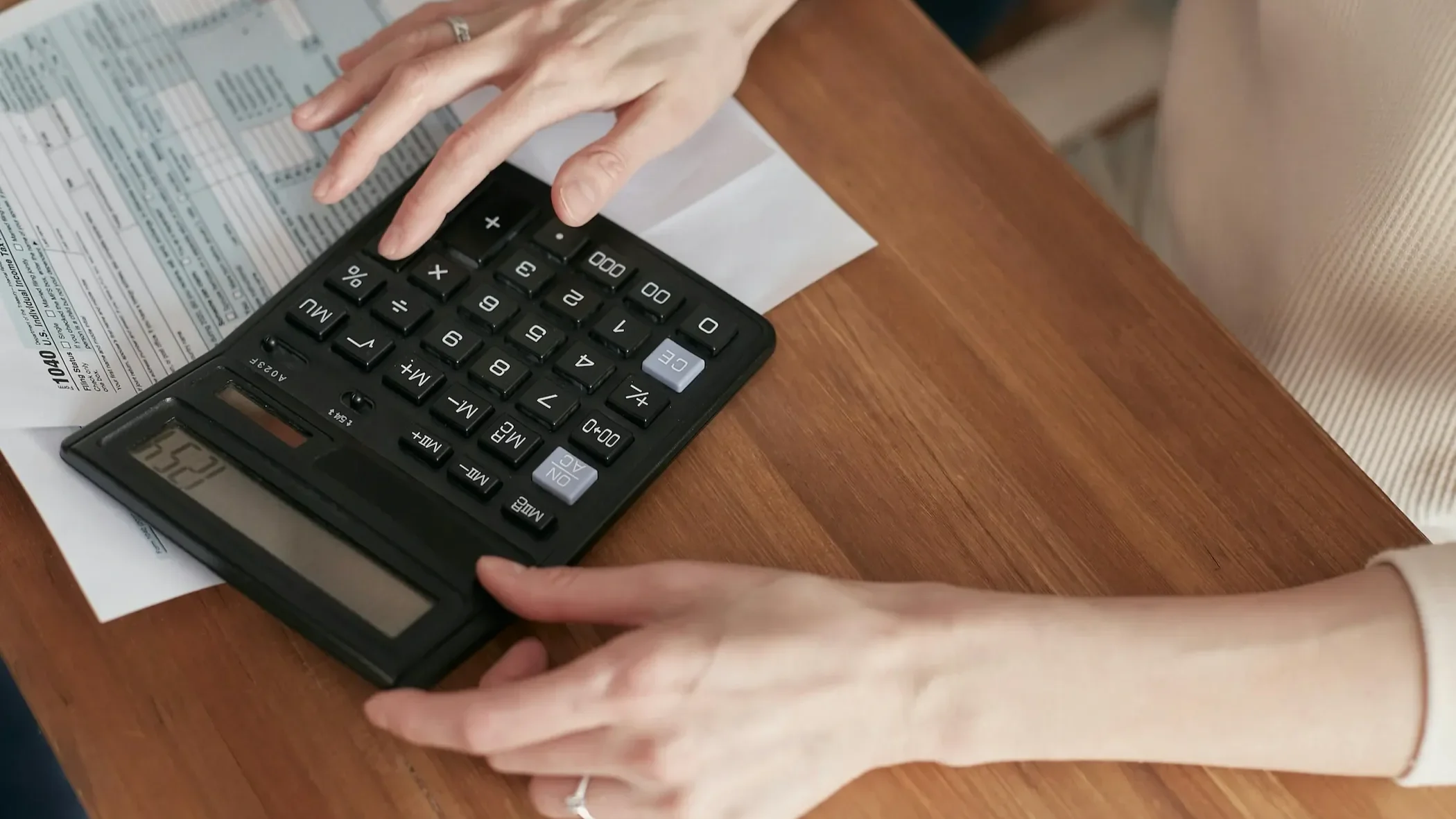
Before booking hotels, tours, or activities, it helps to know what you’re spending on. A typical trip budget includes:
Accommodation: Budget hostels ($20–$50/night), mid-range hotels ($70–$150/night), or luxury stays ($200+/night).
Food & Drinks: Street food and casual dining can be $10–$30/day, restaurants $50+/day.
Transport & Activities: Local transport, tours, entry fees, $10–$50/day depending on destination.
Miscellaneous & Shopping: Souvenirs, travel gear, and unexpected costs, $100–$300 buffer recommended.
Note: This budget does not include flights, as airfares vary widely depending on your starting location.
Pro Tip: Always add ~10% extra for emergencies.
How $3,000 Can Stretch in Different Destinations
Southeast Asia: 3–4 Weeks
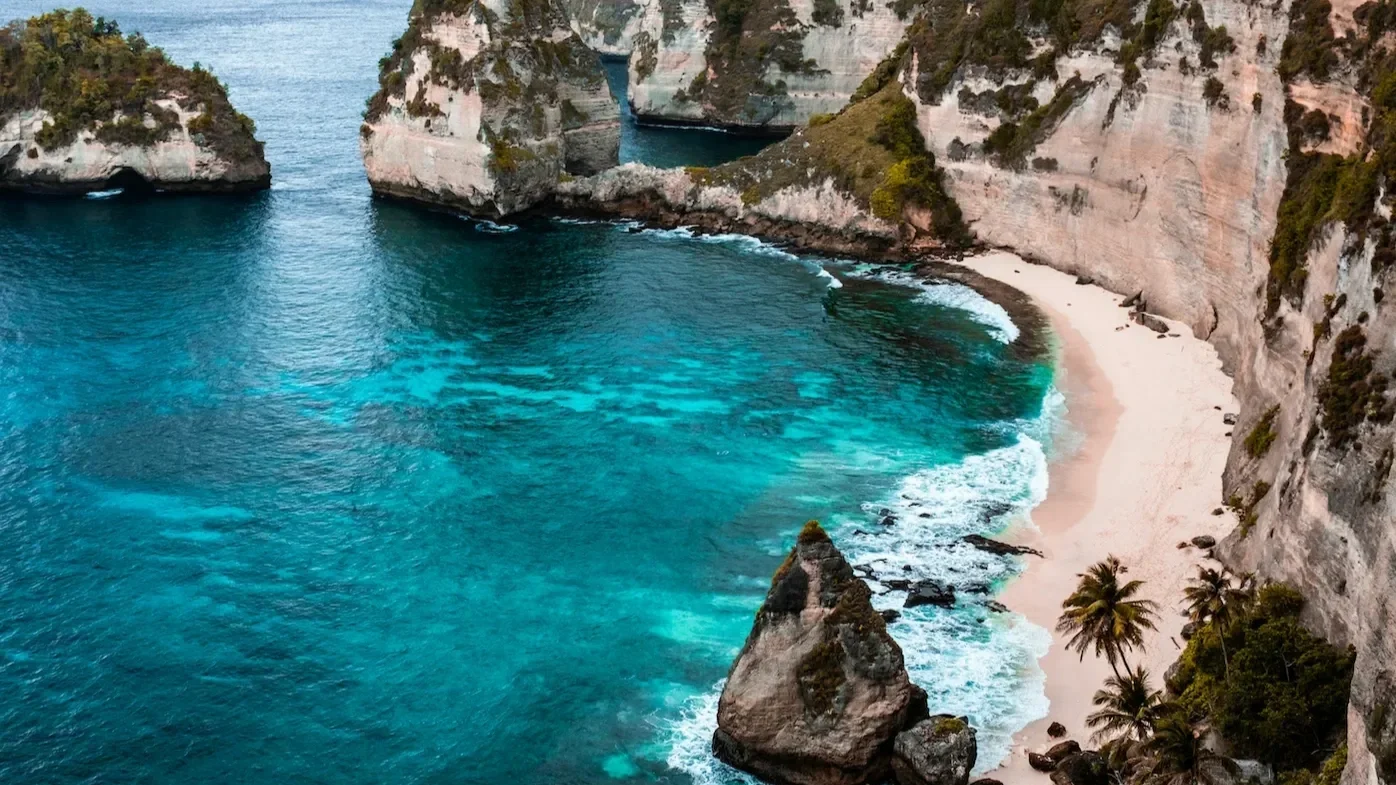
$3,000 can cover accommodation, meals, and activities comfortably. Think Bali, Thailand, Vietnam, or Malaysia. You can even splurge on a few luxuries or fun excursions without overspending.
Must-do: Explore local street food markets and cultural experiences.
Japan / South Korea: 2–3 Weeks
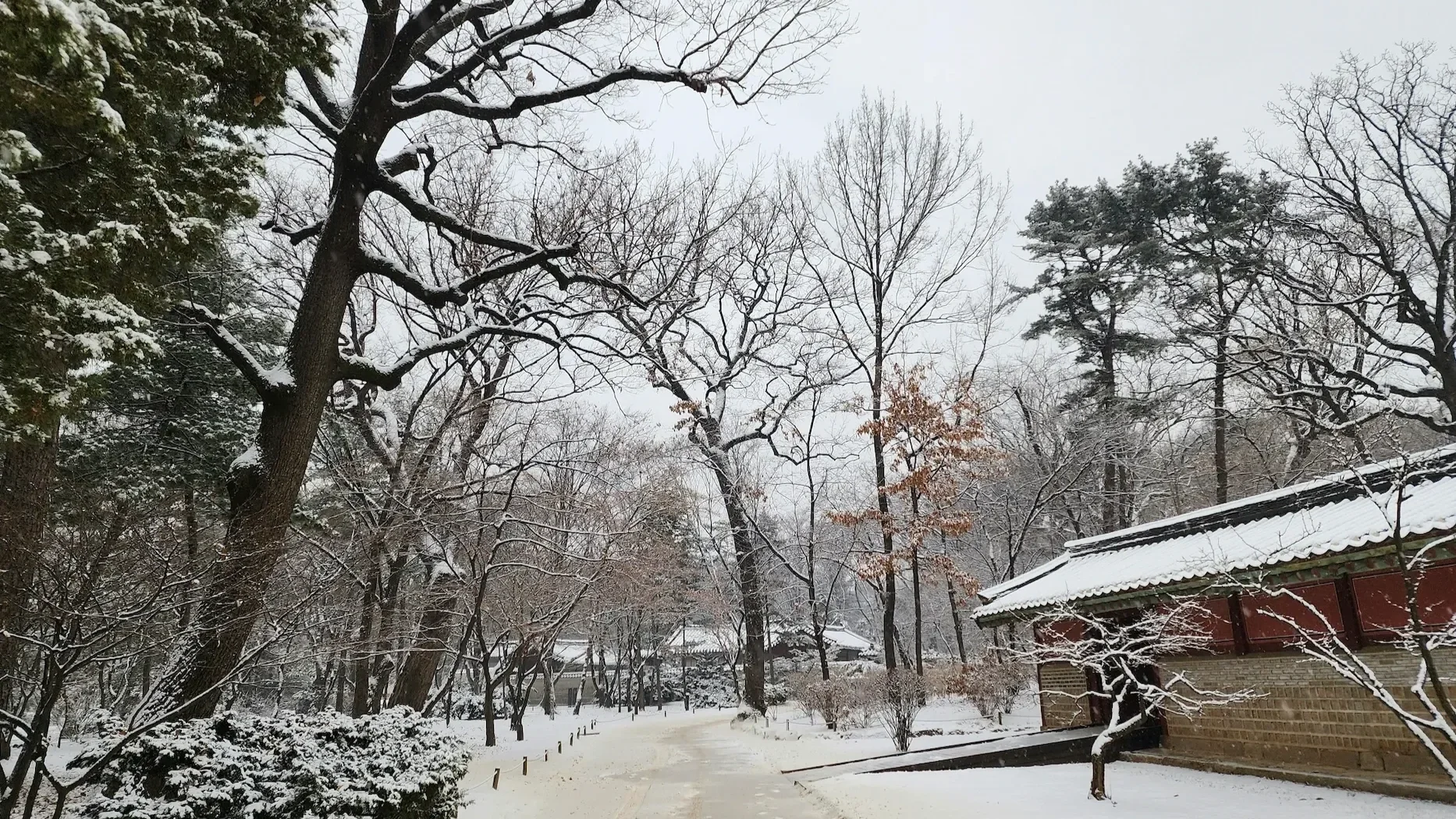
With careful planning, $3,000 is enough for mid-range hotels, meals, and cultural activities.
Must-do: Visit winter festivals, local markets, or onsens if travelling in colder months.
Europe: 2 Weeks (Budget Travel)

$3,000 is doable but requires smart choices. Focus on budget accommodation, local transport, and free or low-cost attractions. Avoid trying to see too many cities in a short period & focus on a few to enjoy them properly.
Ways to Make $3,000 Go Further

Travel Off-Peak: Flights and accommodation are cheaper outside school holidays.
Mix Accommodation Types: Combine hostels, Airbnbs, and a few hotel nights.
Cook or Street Food: Save on meals without missing out on local cuisine.
Use Public Transport: Avoid taxis when possible.
Plan Activities Wisely: Prioritise must-see attractions and free experiences.
When $3,000 Might Not Be Enough
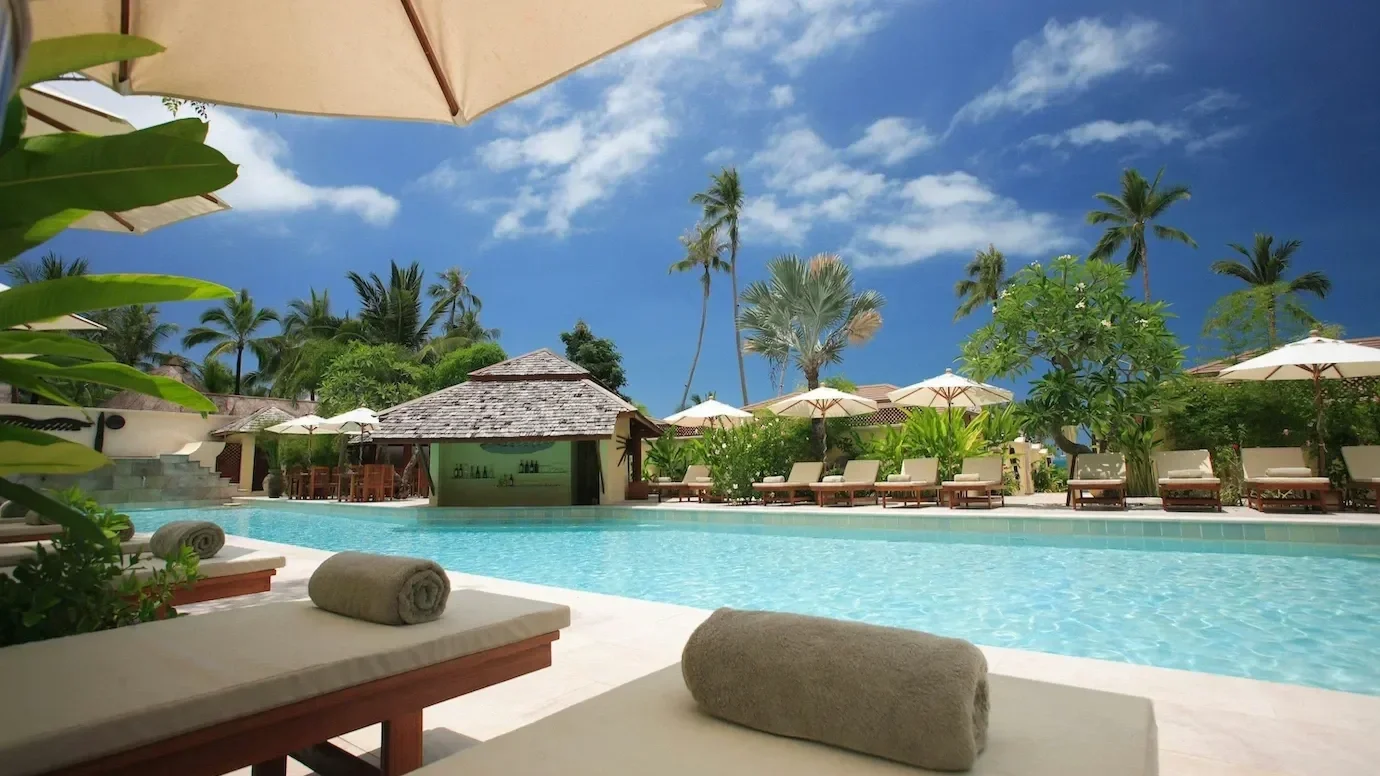
Luxury travellers who prefer 5-star hotels, private transfers, and fine dining.
Long-term travel (2–3 months or more).
Peak season trips to expensive destinations like Switzerland, Scandinavia, or NYC.
In these cases, travel planning with $3,000 might only cover part of your trip.
Final Thoughts
$3,000 is definitely enough to travel if you plan smartly and focus on experiences rather than excess. From tropical beaches to winter escapes or city adventures, your money can go surprisingly far with a little strategy.
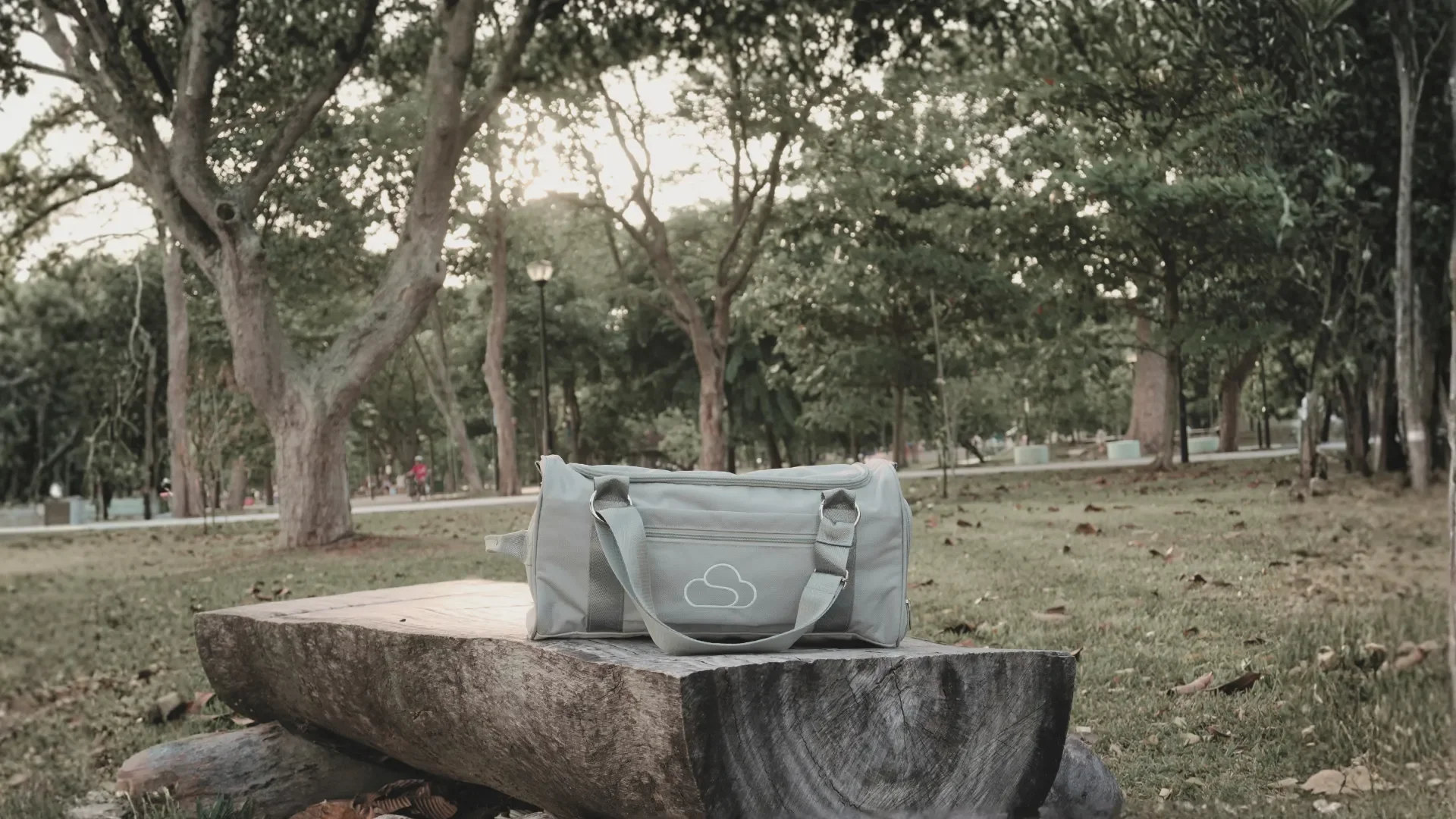
And yes, a reliable travel companion like the Wanderer Duffel makes packing and organisation so much easier because the last thing you want is to overspend on buying extra gear mid-trip!